Fitting and outdoor sockets
If a socket is needed
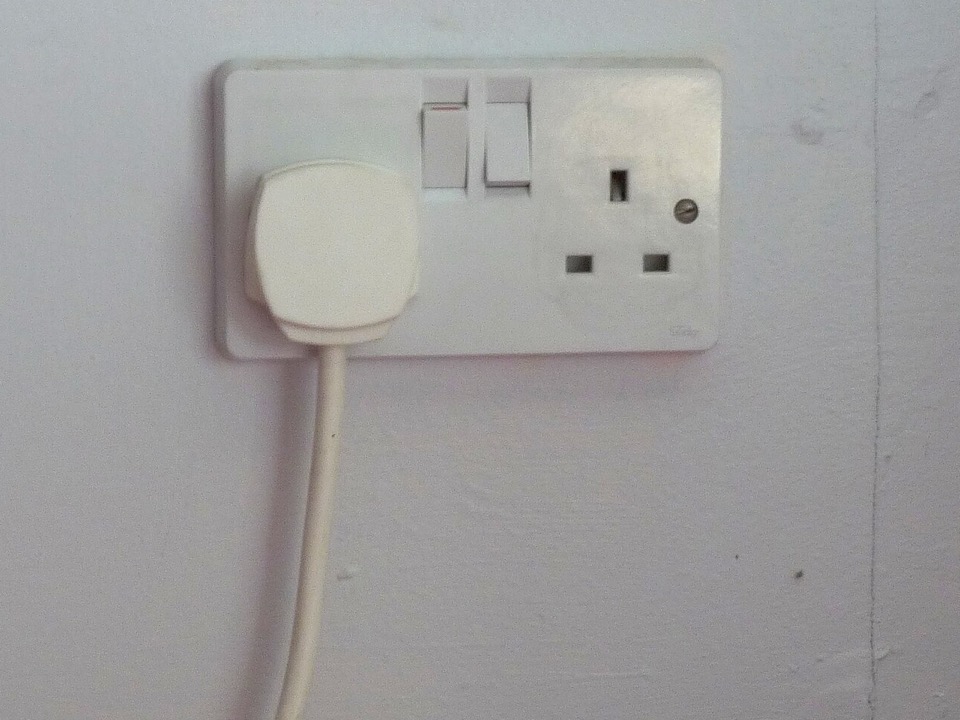
You can plug it in yourself, and an electrician fits a weatherproof socket if you need one.
Read this pageWe reply to every enquiry by email.
Plug-in Solar North West / Surface and planning check
First we check the surface you have in mind against the planning rules. Brick, stone and render are normally fine. A timber wall or balcony isn't.
The permitted development right for solar equipment on a house was rewritten on 27 August 2026, the day the regulations came into force. For plug-in solar it no longer covers wooden walls, balconies or timber cladding.
So if your balcony is timber, or your wall is clad in it, the right does not cover a panel there and you would need planning permission. A transitional year runs to 27 August 2027, and until then you can follow the rules as they stood before the change.
On a house, the right allows up to 200 mm of projection on a wall that abuts a highway and up to 400 mm on other walls. On a pitched roof it has to stay under the ridge and stand no more than 200 mm off the tiles. A flat roof allows 600 mm of height above the roof.
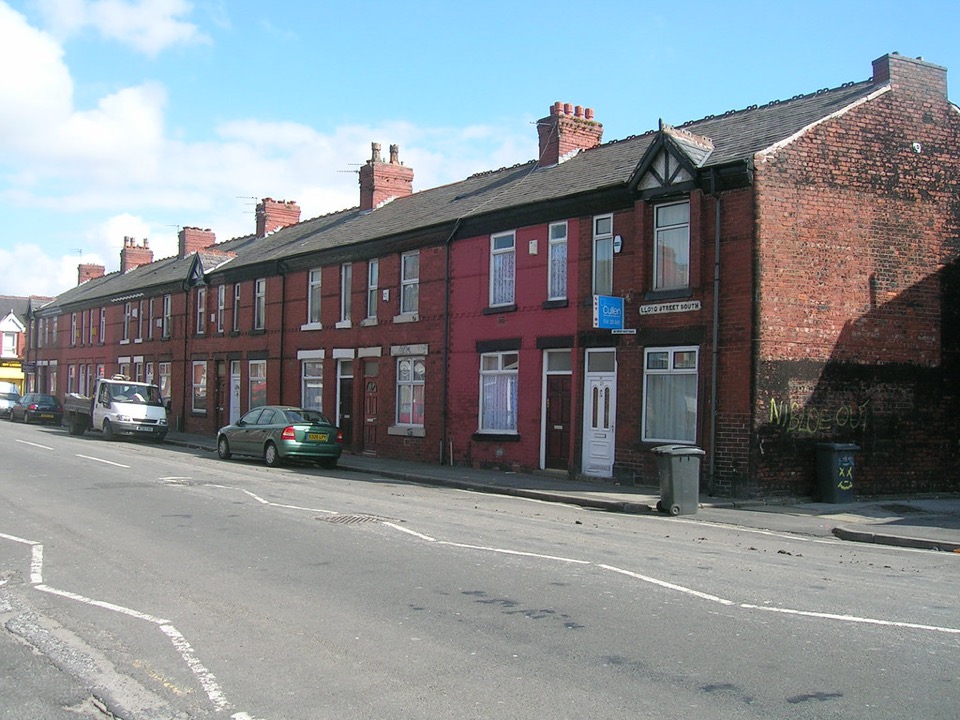
A lot of homes here are old. Terraces and stone cottages across this region sit in conservation areas without their owners knowing. The front of the house is usually where the sun is, and usually where the restriction applies, so it's worth pricing a frame in the garden too.
A compliant device is made to be plugged in by an ordinary person. Testing or altering the electrical installation is different work. If connecting it means changing the final circuit, for example replacing the overcurrent protection device under BS 7671, a qualified electrician has to do that.
The instructions that come with a compliant device have to tell you to get an electrician to look at any socket you're unsure about, and to check whether the device affects your insurance. Do both before it arrives.
You get an email with an answer on the surface, the projection limits that apply to it, which of the two network operators covers your postcode, and the modelled yearly figure for the spot you have in mind. If the rules don't cover it, we say so in the same email.
Send your postcode and tell us what the wall is made of. We'll tell you which operator covers you and whether the rules cover that surface.
Send us your postcodeMost people do not. Send the postcode and we will find out.
Your name, postcode, email and the surface you have in mind. Back comes an email naming your operator, the rule for that surface, and a yearly figure.
We reply by email. Your details stay with us and we take no commission.